The coronavirus situation is unprecedented, and changing rapidly every day, which makes it challenging to navigate for everybody around the world. Yet, no matter where on the globe your dive business is based, PADI® provides steps you can take now to help build advantage and offer continuity for your business.

We Are in this Together
“We are in this together and it is important to reach out to your existing customers now to ensure a greater recovery when things start to bounce back,” says Drew Richardson, President and CEO of PADI Worldwide. “In areas under strict emergency measures or quarantine, PADI eLearning and instructor-led online learning can actively engage students and provide some business continuity. In many places, non-essential businesses and public pools are temporarily closed, but that doesn’t mean the dive industry, or your business, has to come to a standstill if you energize outreach to your clients now.”
Engage Your Customers: Start Today with Digital Learning
PADI eLearning® will allow people to begin their dive training now anywhere they are located with wifi. They’ll be able to connect and interact with you remotely, and be ready to schedule confined or open water engagement once the local circumstances allow.
To support this concept, PADI is offering unprecedented discounts on PADI eLearning for PADI Members and divers, through 30 April 2020. Now is the time to market to your database to start their adventure today.
In addition to PADI’s self-study materials, PADI Instructors can conduct knowledge development/review sessions online. Beginning immediately and through 30 April 2020, PADI is authorizing Instructors to conduct knowledge development training in a digital webinar format – including showing course videos to their student divers. This does not replace the required course materials – eLearning or printed manual – nor does it replace any required practical sessions or dives. However, instructors can connect with their students remotely online through platforms, such as Skype or webinars, to keep student divers engaged until they can resume in-person training. Click here for additional information, or contact your Regional Training Consultant for ideas on how to use Instructor-led online learning with PADI Courses.
Online dive courses provide kids and adults alike with educational opportunities from home, and the ability to look forward to new in-water adventures when this disruption passes.
Be Proactive with Your Social Media – Now!
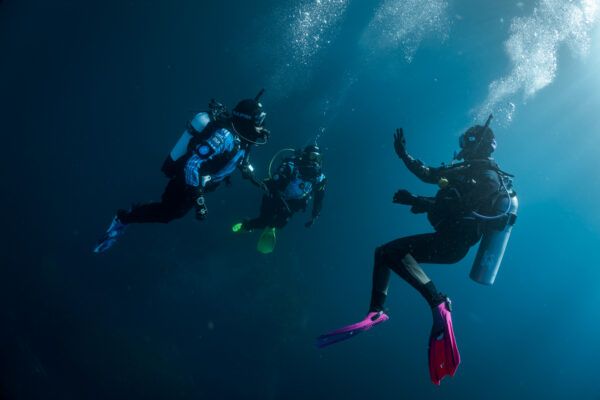
In regions where businesses remain open and guidelines against social gatherings aren’t as severe, dive centers and resorts should share photos of divers in real time, and encourage divers do the same. By posting photos to social media, dive businesses and divers can help offset negative media and excite people about diving, particularly local diving, while travel is restricted.
“I firmly believe one of the things we can do is to post as many photos of our divers out diving and enjoying diving as possible. At Abyss, all staff have been instructed to take photos of every individual out diving on any given day. Above and below water shots are intermingled and posted on social media. We send each individual an album of photos of themselves. If our customers share photos from the album, then whoever gets the most views of the album will win a weekend diving in Jervis Bay,” says Peter Letts, Founder and Managing Director of Abyss Scuba Diving in Sydney, Australia.
PADI encourages other dive centers around the world to take a similar approach to Abyss Scuba and get their staff taking photos too. “Post as many of these as possible on your social media. Then encourage the divers, your staff, friends and family to share these photos as frequently as possible. The more photos and videos we can get out there, the more hope we all have in surviving this crisis. We need to work together,” adds Letts.
You can find safety recommendations and precautions for dive and EFR training and in your routine dive activities to address fears and concerns that you and your students may be facing here. You can also find updated skills and skill techniques for diver level courses. Regularly refer to the World Health Organization and other regional authorities for updates and current recommendations in your region.
“As an industry, and a community of divers, we are all in the same boat. By coming together to elevate opportunities to engage new and existing customers, we will continue to keep afloat and set ourselves up for quicker and greater success once this pandemic passes, which it surely will,” says Richardson.
Contact your local PADI Regional Manager or Training Consultant for additional information about membership support packages to help stimulate your business.