Guest blog written by Melissa Hobson, The Reef-World Foundation
The current pandemic is having a huge impact on the global diving industry – but have you considered how it might also threaten our natural environment?
Preventing environmental threats is key even when there aren’t divers in the water and it’s important for the dive industry to be aware of the potential threats posed as a result of the pandemic. For this reason, The Reef-World Foundation – the international coordinator of the UN Environment Programme’s Green Fins initiative and an official PADI partner – is calling for the dive industry to keep sustainability high on its agenda during the COVID-19 crisis. Green Fins aims to protect coral reefs by promoting a sustainable dive and snorkel industry.
Because the Green Fins Code of Conduct covers the prevention of environmental threats in all aspects of a marine tourism operation, there are still many ways in which dive operators can work to reduce their environmental impact even while travel restrictions remain in place. So, how can you continue to focus on the environment despite lockdown restrictions? Here, the Reef-World team shares a few ideas…
Be aware of how you manage and dispose of chemical cleaning agents
The use of chemical cleaning agents is widely regarded as the safest option when disinfecting equipment, surfaces and laundry in today’s climate. However, many cleaning and cosmetic products contain substances which are hazardous to the marine environment. To help operators around the world minimize this threat, Reef-World has launched the Green Fins Guidelines for Environmental Best Practice for Chemical Cleaning Agents to help dive and snorkel operators deal with chemical cleaning agents in an environmentally friendly way. These recommendations are a consolidation of known best practice around the management and disposal of hazardous waste and chemicals for minimal environmental impact and should be used in addition to, not instead of, health and safety recommendations from relevant authorities such as DAN and the WHO.
Minimize your plastic use
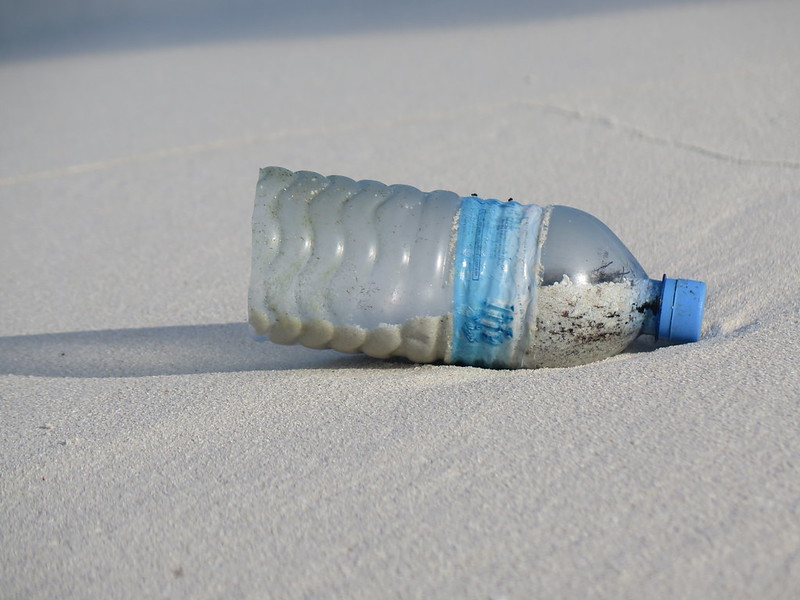
Single-use plastic already presents a significant hazard to the marine environment as it could either be ingested by animals directly or break down to become a microplastic and enter the food chain. As a result of the pandemic, hygiene concerns make it likely that many guests will either bring their own single-use water bottle or insist their operator provides plastic water bottles. There is also likely to be an increase in other single-use plastic packaging and containers, including the use of cling film, latex gloves, protective masks, single-use cutlery and plates and coffee cups. Some guests might even choose to bring their own mouthpieces that require plastic cable ties to attach to the regulator or second stage.
Many tourism destinations are already struggling with trash management and, even if these items are correctly disposed of, there remains a risk they may end up in the aquatic environment. For this reason, it’s really important that all divers, dive professionals and operators should make an effort to minimize the use of single-use plastic wherever possible.
Think about trash management
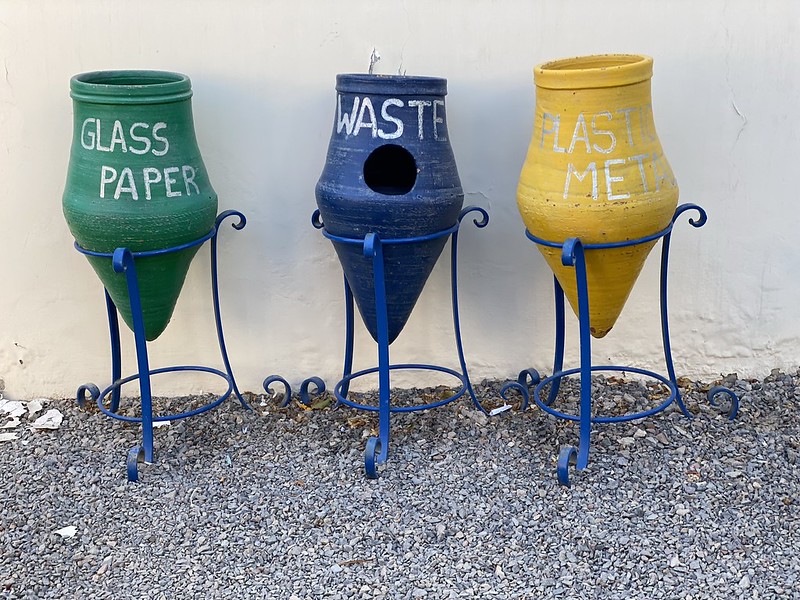
As the industry begins to open up again, operators will need to be mindful there may be higher levels of plastic used as a result of hygiene concerns. To ensure you are in a position to deal with these additional pressures, there are a few things you can do including: pointing out the trash cans in any boat briefings so guests can safely dispose of their used plastic; ensuring your bins are deep enough and have lids to prevent any waste being blown into the sea; making sure all staff, including boat crew, are aware there might be an increase in the use of single-use plastic and know how and where to responsibly dispose of any associated waste; keeping staff training or protocols on the correct collection and safe disposal of any plastic waste up to date; and recycling wherever possible.
Review your environmental policies
With the busy day-to-day running of the dive shop significantly slowed down or on pause for most operators, managers are being encouraged to use this time to review their environmental policies if they can. Chloe Harvey, Director at The Reef-World Foundation, explains: “While we realize it might not be possible for everyone, we recommend that those who can take this downtime to pause and prepare; having to put many other aspects of the day-to-day running of the business on hold offers operators a valuable opportunity to review all internal policies and procedures that can reduce their environmental footprint.”
“A strong overarching sustainability policy should cover key environmental aspects such as: including environmental content in pre-departure documents and materials for guests; making sure staff include environmental points in their pre-dive and boat briefings; ensuring waste is minimized, recycled whenever possible; and making sure any hazardous waste (such as used engine oil or spent batteries) is collected, stored and disposed of responsibly,” she continued.
One way of doing this is accessing the Green Fins Operational Handbook, which is a one-stop-shop of information to help dive and snorkel operators who are currently reviewing their sustainability policies. While normally priced at £20, Reef-World is waiving this fee during the COVID-19 pandemic and, instead, asking operators who access the handbook to contribute what they can.
Do your research
Another way you could use any additional downtime at the moment is to research suitable suppliers of eco-friendly cleaning products, mask defog and reef-safe sunscreen. It could also be a good time to review your internal training sessions to make sure all staff and crew are aware of any new environmental policies or reminded of those already in place.
Focus on what you CAN do
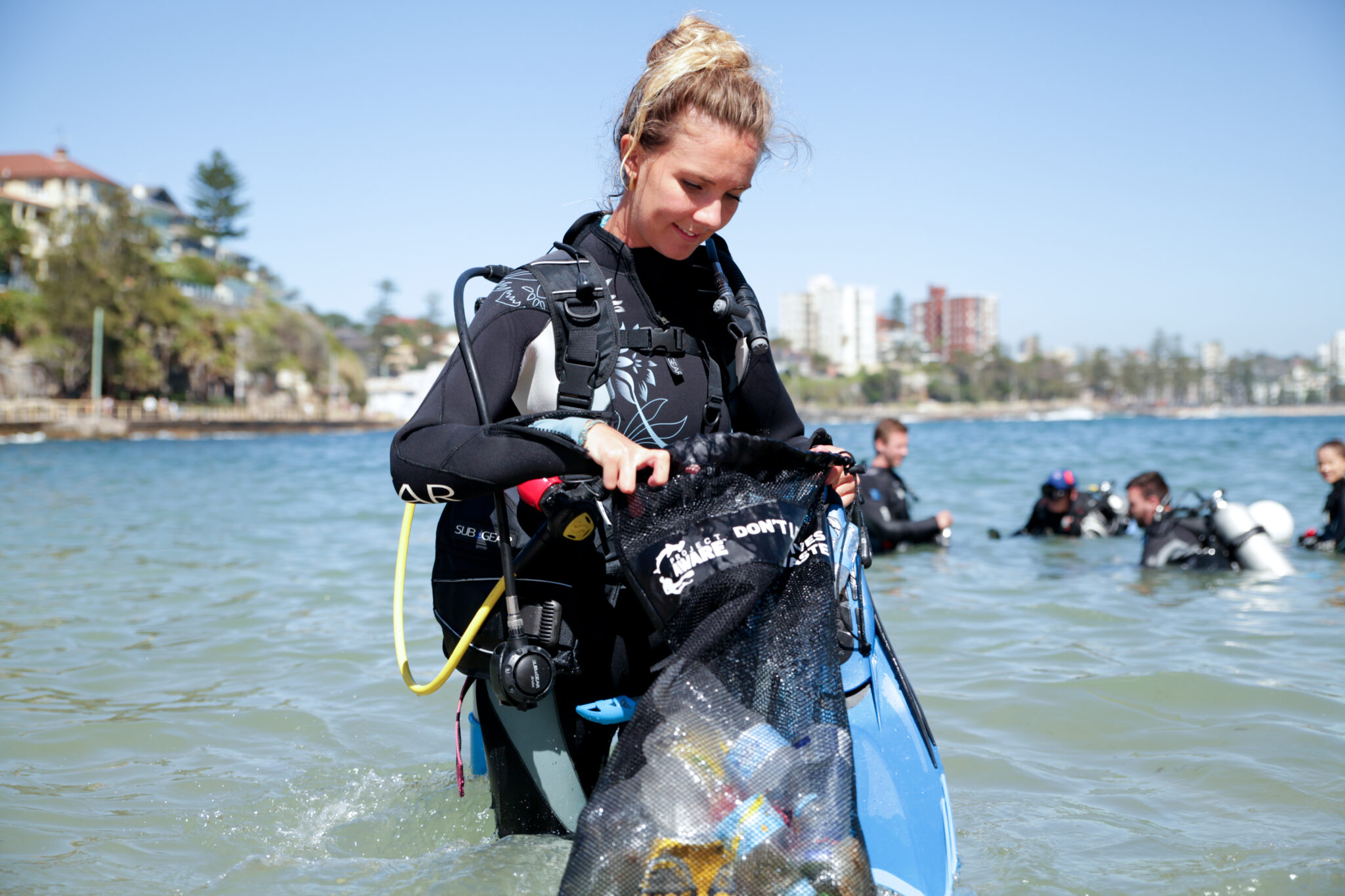
Travel restrictions and lockdown rules mean there are lots of things operators aren’t currently able to do. But instead of focusing on what you can’t do, think about what activities you ARE allowed to do during this time. Lockdown restrictions and regulations vary by location so if you’re planning to undertake any environmental activities – such as a beach clean-up – do check what’s allowed in your area. To give you some inspiration, here are a few examples of what some of the Green Fins Top 10 members have been up to:
Scuba Junkie Mabul in Malaysia has taken the opportunity to rebuild its jetty and dive shop – using the time to do this with as little adverse impact to the environment as possible – and continuing its conservation projects, particularly the turtle hatchery. They have released over 900 green turtle hatchlings during the MCO!
Evolution in the Philippines is working with other local dive shops in Malapascua to ensure patrols to protect thresher sharks from illegal fishing are still running using donations collected from divers and tourists over the years; this is particularly important now, while no one is diving, because of the risk of out of work community members trying to find ways to feed their families.
And, although lockdown restrictions are preventing Tioman Dive Centre (TDC) in Malaysia from undertaking beach clean-ups, they have been creating wall hangings and decorations made of trash collected from previous clean-ups, such as fishing net floats! As Green Fins members, TDC doesn’t display any marine life (such as decorations made from shells or coral) so upcycling trash collected from the beach is an innovative way to create some new decorations while also thinking about responsible trash management.
Continue learning
Dive professionals who want to continue their learning from home can look for suitable online courses to continue improving their environmental knowledge and awareness. The Green Fins Dive Guide e-Course helps build on guides’ existing scuba diving knowledge by providing the skills and confidence to conduct more environmentally friendly diving trips and manage divers to prevent them causing damage. What’s more, you can take the course for free (or $25 if you would like a certificate).
Many operators are also helping divers continue their learning virtually. Ceningan Divers in Indonesia are also helping people increase their conservation knowledge while keeping themselves busy during lockdown by making their conservation workshops and eCourses (including Project AWARE speciality courses) available online.

Similarly, OrcaNation Rawa in Malaysia was already in the process of building a Digital OrcaNation Academy, in partnership with PADI, when the pandemic hit and are now trying to accelerate the launch of this digital platform, which will have 60 carefully curated awareness modules.
Support environmental causes
The current climate is making it even more challenging for many marine conservation charities and organisations to undertake their vital work. If you’re able to, please consider making a donation to charities such as Reef-World and Project AWARE to help them continue to protect coral reefs and fragile underwater ecosystems around the world.
For more information about reducing your environmental impact, please visit the Reef-World Foundation and Green Fins website. Dive and snorkel operators interested in signing up to Green Fins can find the membership application form online here.