Did you know that one-third of all media coverage mentioning the PADI® brand is generated directly from PADI Dive Centers and Resorts?
Implementing direct PR programs for dive businesses have proven to be successful in proactively securing media coverage showcasing their dive business and local diving highlights to help drive divers (and soon-to-be divers) through their doors. For most, this is achieved through a combination of press releases, media pitches, interviews and diving with press.
Dive centers that invest time in PR and media outreach have seen the benefits for their business firsthand. You can as well!

Here are just a few tips to help you build a successful PR program for your dive business:
-
Share newsworthy announcements
Creating and distributing a press release is a great way to raise awareness to media about your dive center or resort. They create awareness about situations, services and products that appeal to a wide audience. Newsworthy announcements can range from the introduction of a new scuba program or a large-scale conservation effort your business is spearheading.. These should be reserved for truly newsworthy updates that are fact-driven and of interest to the reader (i.e. editors, journalists). Take your time in crafting a well-written release (free of typos and grammatical errors) to ensure you positively and effectively attract the attention of press and inspire them to turn your release into a newsworthy story!
-
Send media alerts for upcoming events
You can also use media alerts to generate interest in an upcoming event, such as an underwater cleanup or a PADI Women’s Dive Day event. A media alert should be short, to the point and written so reporters know all the information about your event. In fact, you can (and should) literally write: what, when, where, who and why. By notifying press of your event, they can help you spread the word and may even attend to experience it first-hand!
-
Pitch unique stories specific to individual media outlets
Pitching unique and interesting story ideas to media can earn you coverage in targeted outlets. When people think of media relations, a press release is what immediately comes to mind. However, the reality is that the majority of earned coverage is generated from a media pitch – a short, personalized message to excite a journalist or editor with a story idea about your dive business that specifically suits their individual media outlet. Most story ideas f. Pitches should be timely, impactful, interesting, locally relevant and, most importantly, sent to press contacts who will see value in your story idea. A great pitch is tailored to specific journalists and/or media outlets, presenting a story idea that speaks to their typical audience demographic and which falls within their beat, a particular topic that a reporter covers.
-
Prepare and participate in media interviews
Share your diving knowledge and expertise by fielding press inquiries and taking part in media interviews. You can nail your interactions with press when if you’re prepared, confident and remember that journalists are just people too! Offering expert insight and timely responses to inquiries and interview requests will often lead to a better relationship between you and the media. But, as in all public relations, it is important to keep in mind that there is no guarantee that doing so will always give you the coverage you want. By adhering to PADI Standards, upholding top-rate business practices and preparing select people at your dive center to respond to press inquiries, you can help ensure that your business – and the local diving opportunities – are shown in the best light possible.
-
Invite media to experience your business
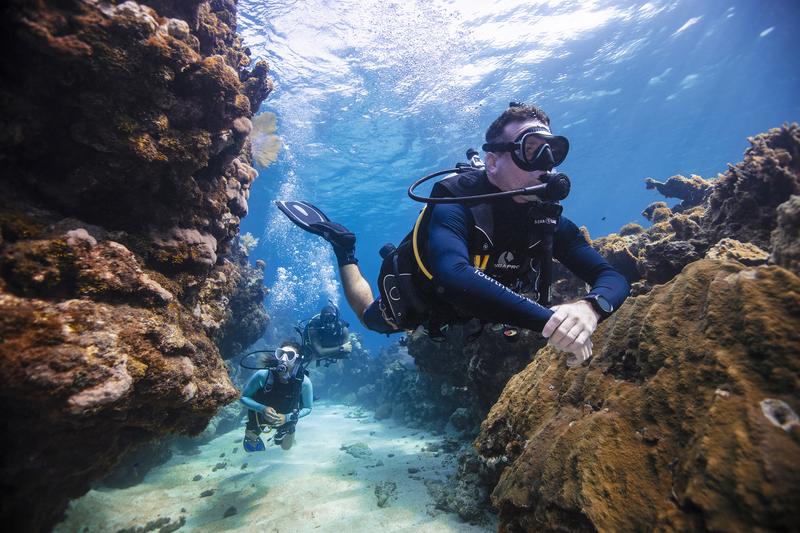
If a journalist reaches out to you, give them first-hand insight by inviting them to go diving in preparation for a story. In order to accurately write about diving, most journalists will require first-hand knowledge of their story topic, whether it be about learning to dive, diving in a specific environment or traveling to a dive destination. Offering to take press and media diving for free is a great way for them to personally experience local dive sites, get to know your business and build a connection with you and your team. By making dives, rentals and courses free of charge for journalists preparing for a story, you are not only reducing the barrier for them to dive with you, you are also showing them that you value their work. If they’re not already a diver or want to learn new skills, offer them a course. There is no better way for them to get excited about diving and understand the content they are sharing with their audiences. Go above and beyond to give them an incredible experience. Doing so will increase the likelihood (but not always guarantee) that they will include a mention of your shop in their story.
-
Make press kits accessible and easy to use
Press kits provide journalists with readily accessible information and images. Before you begin conducting any press outreach, it is beneficial to create a digital press kit to have on hand to give interested writers or producers the fundamental information they might need to tell your dive shop’s story. Your press kit should serve as a useful tool for journalists to find immediate answers to general questions about your business, as well as free-to-use high-resolution images. Create a press image collection with high-quality photos (that you own or have rights to share) of popular dive sites nearby, local marine life and your dive shop or boat and make sure to label them accordingly. The easier you make using the press kit for the journalist, the more likely they are to use what you have provided them!
-
Develop relationships with influential people
Similar to developing great relationships with media, it is equally important to do the same with influencers and bloggers. They also have established and trusted relationships with audiences you want to reach and can be a strategic approach to amplify your key messages, promote positive branding, and increase customer engagement and awareness. It is important to note that, unlike traditional journalists who are often employed or contracted by a media outlet, most influencers are self-employed and rely on their influence to generate a living income. Most social influencers and bloggers require monetary compensation to share a business’s information and should be something you discuss with them upfront.
The PADI organization’s marketing team is available to answer any questions you may have about starting or growing your PR program or how to leverage PADI programs and tools to support your PR efforts.