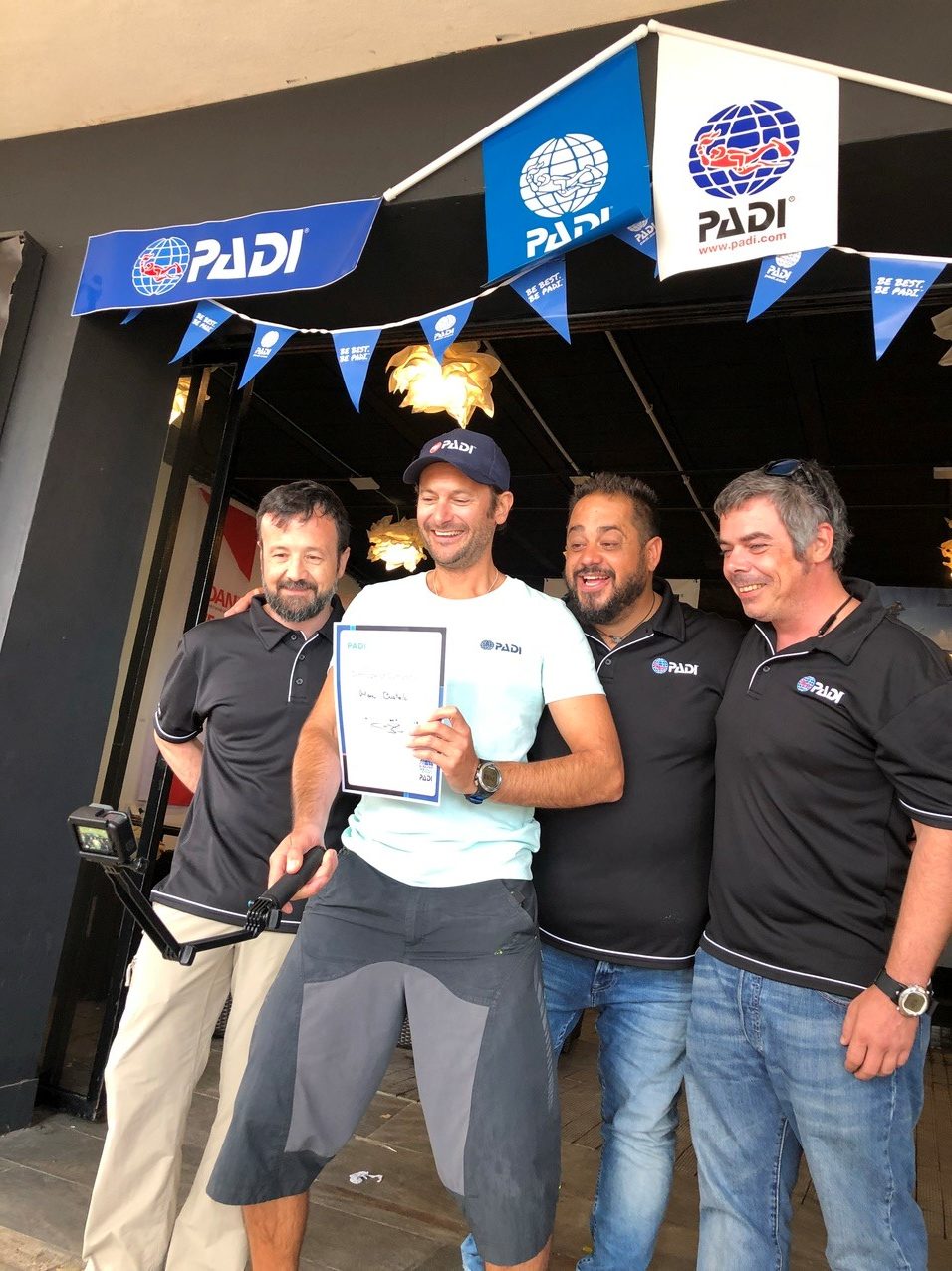
PADI AmbassaDiver™, Manu Bustelo, took some time to talk to us about why he decided to advance from being a PADI Divemaster to a PADI Instructor.
Why did you choose PADI® for your Instructor course?
My scuba diving career began 12 years ago as a PADI Open Water Diver. I became the diver I am thanks to PADI and all of its courses, so it felt natural to continue my education within this well- proven and established scuba diving association. Being a divemaster is certainly super fun, but doesn’t allow you to teach Open Water Diver and other PADI courses. In my opinion, teaching an Open Water Diver is the best way to fully engage and connect people with the ocean.
Do you remember how much fun you had taking the Rescue Diver course? I do! This was my favourite course and certainly the one I look forward to teaching the most.
What was your motivation for becoming an Instructor as opposed to continuing as a Divemaster?
Following my words above, I was certain that becoming an instructor would enable me to teach and spread ocean passion to new and prospective divers. That’s the main reason why I decided to advance from a divemaster position to an instructor. I also wanted to deepen my knowledge of teaching scuba diving with the world leader in dive training. After all, almost anywhere you go diving in the world there’s a PADI diving school.
How did the course compare to the PADI Divemaster certification?
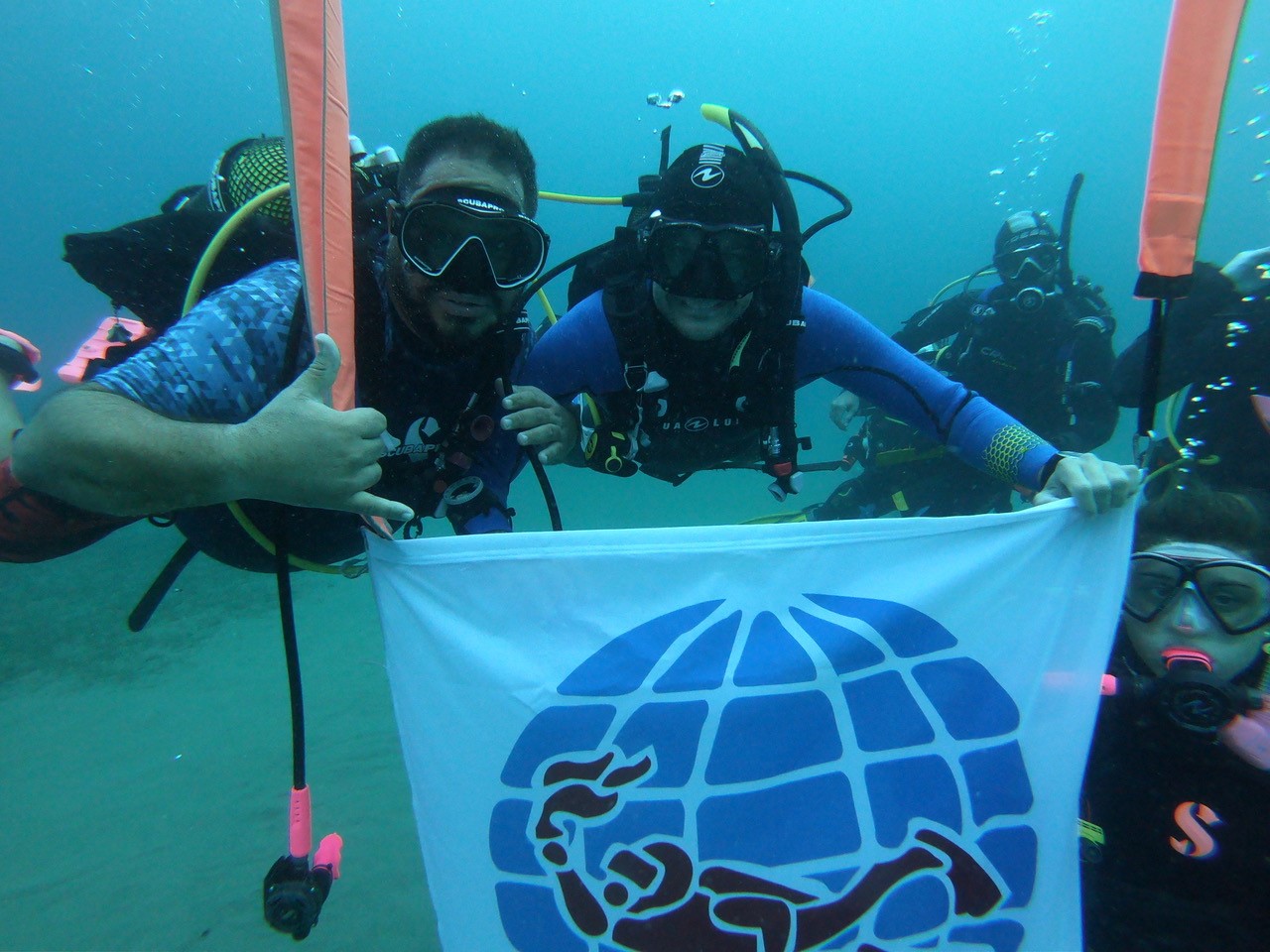
I did my Divemaster course back in 2009; since then PADI has continued to evolve teaching methodology. In the IDC, not only do you share learning time with other experienced Divemasters, but you also find yourself engaged in dialogues about passing on your experience to new scuba divers.
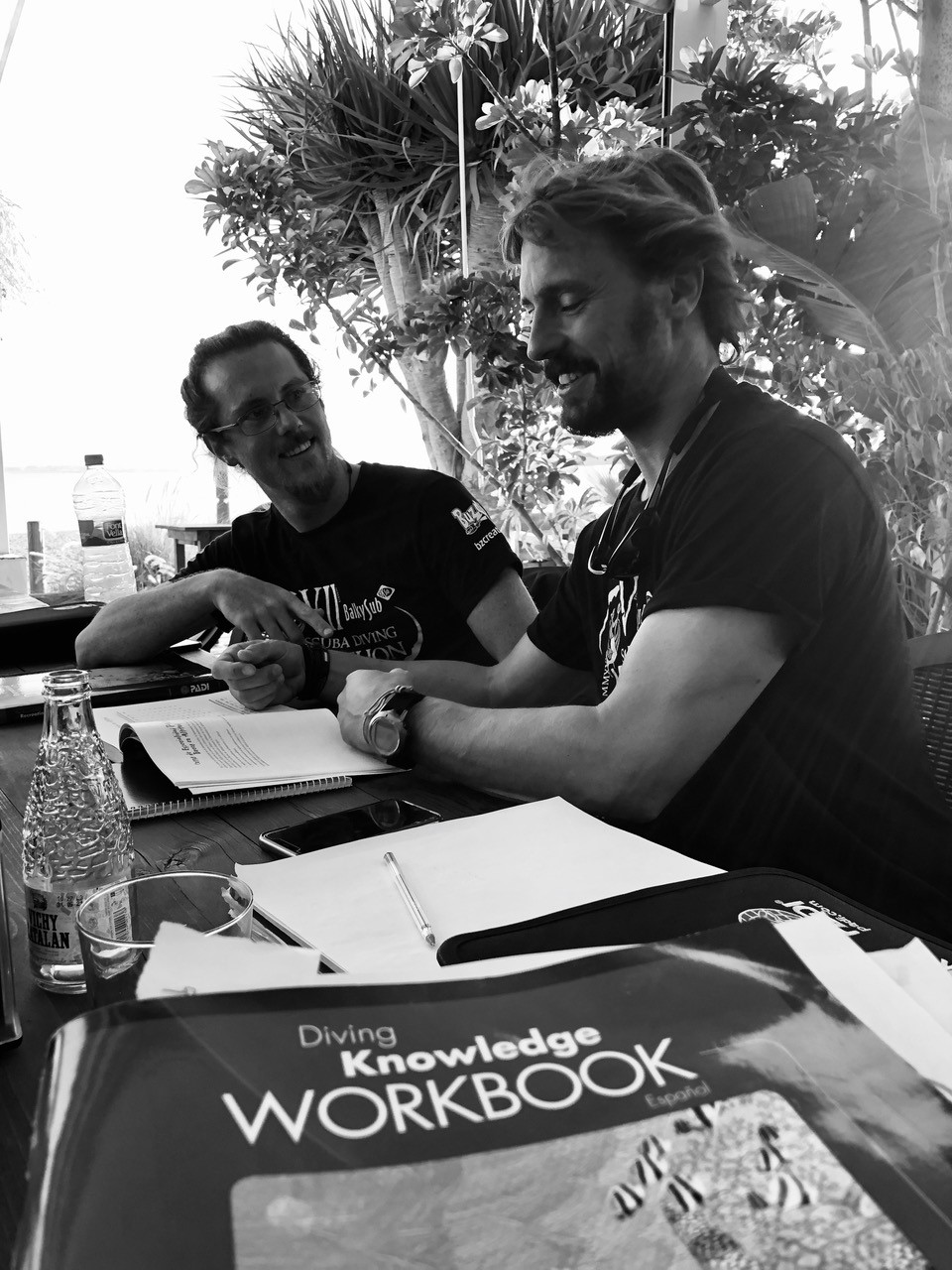
I spent three weeks with my fellow IDC candidates and Balky . It’s a highly rewarding academic experience to review the theory behind what we love to do with other experienced divers; Decompression Theory? You’ve got to study this in depth so you’re not only able to explain it to a Divemaster, who will ask serious questions, but also to find simpler ways to pass on this knowledge to your students. After all, when you become a scuba diving Instructor, everyone around you will expect professional advice and answers about what scuba diving is all about! What I loved the most from my IDC literature was the PADI Diving Knowledge Workbook.
What aspects of the training did you find most challenging and/or rewarding?
Excellent question. You may have a lot of scuba diving experience, but it’s one thing to practice for fun or work, and it’s a hell of a different thing to teach.
Clearing your mask? A simple task for an experienced diver, but a challenging skill to gain for some. It is rewarding though, when you are able to help new scuba divers progress through PADI’s well established learning/teaching program.
Finally, the final exam itself. I, and my fellow IDC candidates, all thought that by the time we felt ready for the exam, we’d have learnt everything we needed to learn. But this wasn’t the case, and the examination days themselves became another very interesting learning experience.
We knew the theory, had reviewed PADI’s Guide to Teaching dozens of times, and done the skill practices for weeks. But what happens in the exam is pretty much what happens in the real world; you learn how to control your anxiety, how to focus on the task at hand and how to quickly correct a mistake, if any. Our examiner, Jose Luis Casals has years of experience with IDC candidates. The way he worked with us during the examination days was heart-warming.
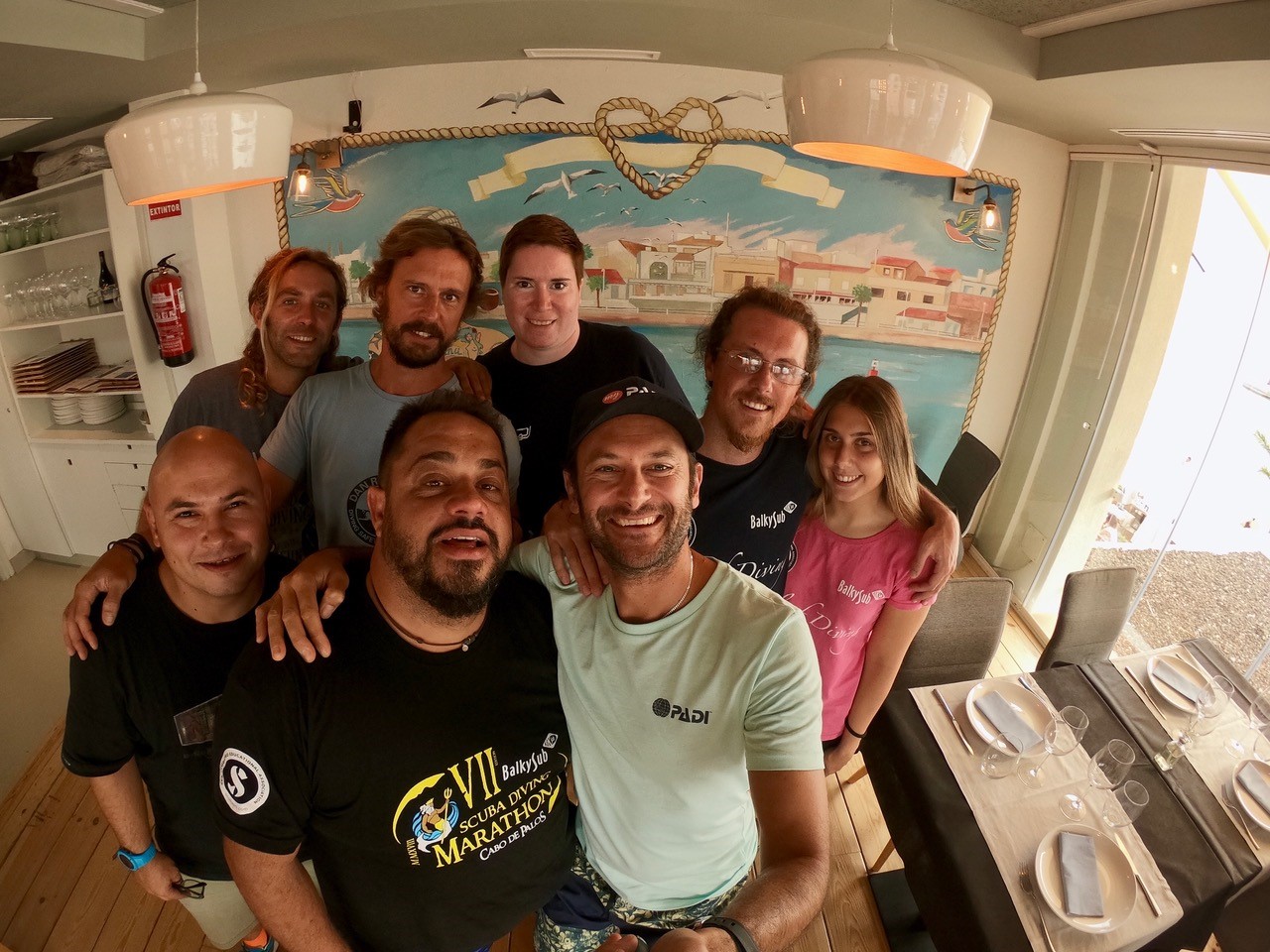
From all my years in the scuba diving industry (12 so far) the month I spent with Balky and my fellow IDC candidates will perhaps remain as the most rewarding one!