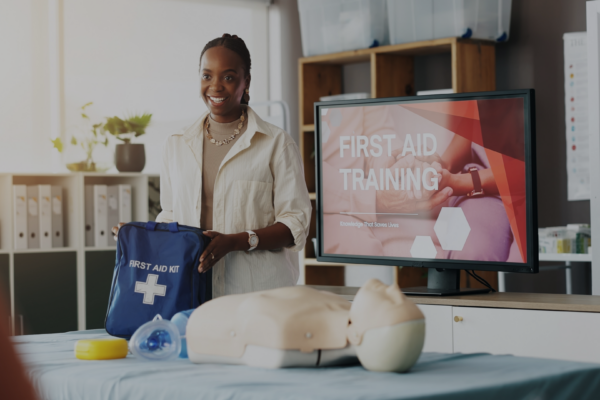
As an EFR® Instructor, you understand the importance of being prepared. Teaching life-saving skills is only part of the equation – having well-maintained, fully stocked first aid kits is equally essential. First aid supplies can wear out, become obsolete or even expire, making regular checks and replenishments a critical responsibility. Using checklists can help ensure everything is in order.
Why You Need To Regularly Refresh Your First Aid Supplies
Over time, first aid equipment and supplies degrade or become outdated for several reasons:
- Expiration and Degradation
Many first aid items, including antiseptic wipes, burn creams, medications and adhesive bandages have expiration dates. Using expired products can reduce their effectiveness or even cause harm. Additionally sterile items, such as gauze and bandages, may lose their sterility over time due to exposure to moisture or air, particularly those that are not packaged. Some materials, such as latex commonly used in barriers, degrade due to oxidation and eventually fail. - Wear and Tear
Frequent use, rough handling, or improper storage can cause first aid tools to break down. Scissors can dull, gloves can develop small tears, and elastic bandages can lose their stretch. Inspecting your supplies helps identify damaged or worn-out items before they become a problem during an emergency. - Changes in First Aid Best Practices
First aid guidelines and recommended equipment evolve over time. Items that were once considered essential may no longer be best practice. For example, the shift away from alcohol wipes for wound cleaning to irrigating with saline solutions is one example of how medical advice changes. Staying updated ensures your kit aligns with current standards. New, improved ways of handling emergencies may add to your kit. One example is hemostatic dressings, which help control bleeding more effectively than standard gauze. - Accidental Depletion
During training sessions, first aid kits are often used for demonstrations and practice. Without careful tracking, essential supplies may be missing when they are needed most. Regular replenishment ensures your kit is always ready for both training sessions and emergencies.
The Role of Checklists in First Aid Readiness
A simple but effective way to maintain your first aid supplies is by using checklists. Checklists help standardize supply checks, making sure nothing is overlooked. Here are ways in which checklists can help:
- Standardized Inventory Checks
A well-structured checklist ensures that every item – bandages, gloves, CPR barriers, splints, antiseptics, and more – is accounted for. It helps instructors systematically review and replace missing or expired items. Leave room on the list to include new items as appropriate. - Scheduled Inspections
Setting up a routine for checking supplies – monthly, quarterly, or before each training session – ensures that expired or depleted items don’t go unnoticed. Assigning this task to a team member or rotating responsibility can improve accountability. - Customization for Specific Needs
Different training settings may require different supplies. A first aid course focusing on CPR will need extra barrier devices, while a wilderness first aid course may require additional trauma supplies. A checklist tailored to your training needs keeps your supplies relevant and effective. - Emergency Readiness Assurance
When an actual emergency arises, having a well-stocked, up-to-date first aid kit means you can act quickly and effectively. A checklist ensures no critical items are missing when seconds count. Helpful articles such as A First Aid Kit for Every Activity and Assemble Emergency Kit Essentials in 30 minutes or Less can help provide some basic planning approaches and are also good resources to share with your students.
Best Practices for Keeping Your First Aid Supplies Up to Date
- Set a Regular Review Schedule – Check supplies at least once a quarter or before every training session.
- Use Expiry Tracking – Maintain a log of expiration dates for perishable items.
- Train Staff on Supply Management – Ensure everyone involved in training knows how to check and restock supplies.
- Invest in Quality Storage – Keep kits in a cool, dry place to prolong the life of sterile and adhesive materials.
- Stay Informed on First Aid Guidelines – Be sure to stay up to date by reading the EFR Responder and any updates from EFR on best practices. It’s also important to keep your skills fresh!
As an EFR Instructor, being prepared goes beyond teaching – it involves ensuring that first aid kits are complete, updated and ready for use at all times. By routinely refreshing and replenishing supplies and using checklists to stay organized, you can maintain a high standard of readiness, ultimately making your training more effective and reliable.
Further, these basic checks can be easily integrated into your EFR Primary and Secondary Care courses, just before you start the skill development portion for secondary care. This type of overview is also an excellent addition to the EFR skill refresher courses that you may offer. It’s also useful to organize items in your first aid kits by injury type, to make access quick and easy. Regular training scenarios for you and your staff are a good way to keep muscle memory and skills sharp!
Remember: A well-maintained first aid kit can make all the difference in an emergency and when teaching, so be sure to keep yours in top shape!