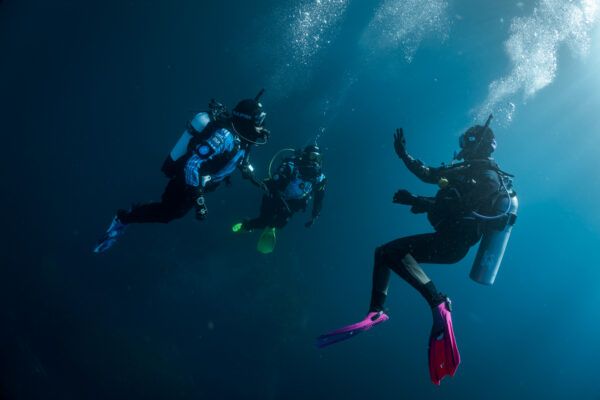
There are seasons when the weather won’t cooperate, pools are unavailable, or access to open water is limited. That doesn’t mean your instruction has to stop. As a PADI Pro™, you have a surprisingly full menu of courses and workshops you can deliver entirely dry, with no in-water training required, while still delivering real value to both your customers and your dive store.
This isn’t just about keeping busy – dry teaching builds confidence, grows knowledge, strengthens customer and brand loyalty, and sets up future training. It’s also flexible – you can teach in-store, online, on-site or in blended formats. Done well, dry courses keep your dive community active and your calendar full, even when diving is temporarily off the table.
Here’s what you can teach without getting wet, how to position each option, and ways to turn these supposedly quiet times into generators for long-term growth.
What You Can Teach Without Getting Wet
All of the courses below have no in-water training requirement under PADI Standards. Delivery can be in-person or virtual – although some practical sessions do need in-person time – and many are ideal as short, impactful workshops.
- PADI AWARE® Specialist (no dives required). An eye-opening course for every certified diver and interested non-diver, this course gives participants an informed, big picture view of ocean challenges and what divers can do locally to take action. It’s highly adaptable for clubs, youth groups and community partners. It’s great on its own or bundled with other PADI AWARE topics.
- Why It Matters: PADI AWARE Specialist builds purpose and belonging. Students are more likely to try diving, or if they’re already certified, stick with diving and say “yes” to continuing their education.
- AWARE Coral Reef Conservation (no dives required.) A deep dive into coral biology, threats and practical conservation actions, AWARE Coral Reef Conservation has no required dives, and it fits beautifully alongside travel briefings or destination nights. You can update the content based on your location (or where you may be going) or student interests.
- Why It Matters: This course adds meaning to future reef trips and really ties in with Specialties like Underwater Naturalist when the season opens. This is a great way to start selling bundled Specialties in your offseason.
- Enriched Air (Nitrox) Diver (dives optional). Still one of the most popular Specialties for certified divers, you can run the Enriched Air (Nitrox) Diver course with or without dives, pairing theory with hands-on practice: analyzer use, labeling and cylinder handling (this practical session must be conducted in person).
- Why It Matters: Diving with enriched air (Nitrox) can be especially beneficial for divers planning liveaboard trips, multiple days of heavy diving or resort trips with repetitive diving, plus it’s a natural cross-sell for any dive travel you offer and continuing education.
- Equipment Specialist (no dives required). Helps divers understand how gear works, how to care for it and how to troubleshoot minor issues. Run it as a modular series – regulators, BCDs, exposure protection – or as a single-workshop day.
- Why It Matters: This course increases confidence in understanding gear and helps divers make good gear investments. This course aligns well with retail events and is a great way to showcase the stock you offer in your store.
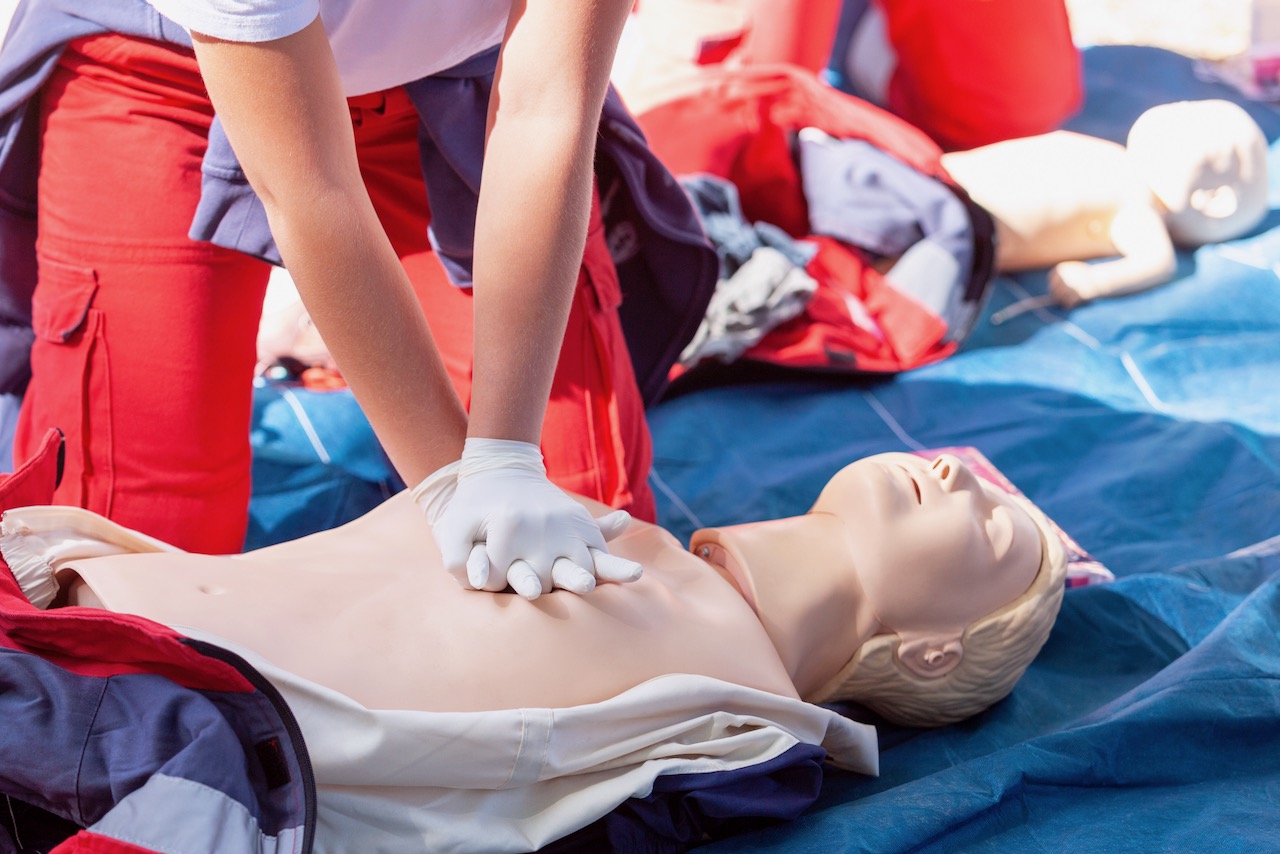
- Emergency Oxygen Provider (no dives required). Providing emergency oxygen is useful for rescue divers, dive leaders, club organizers and regular boat divers. The practical session must be conducted in person, but no water time is required.
- Why It Matters: Coupled with the skills learned in the Rescue Diver course, Emergency Oxygen Provider prepares divers to recognize when someone needs help and provide emergency care.
You may find occasional appetite for theory-first workshops in areas like PADI Freediver™ (e.g., relaxation breathing, equalization theory, etc.) or PADI Mermaid™ knowledge sessions. Keep these as an informative taster that naturally sets up the full, in-water course when conditions allow.
How To Position Dry Courses
Use these four strategies when positioning your dry teaching.
1. Lead With Outcomes, Not Logistics
Emphasize confidence, readiness and community:
- “Keep your skills sharp and your knowledge growing, so you’re ready to hit the water when the season starts.”
- “Learn more about [XYZ], and how it will enhance your dives.”
- “Turn passion into purpose; learn how to protect the ocean.”
2. Bundle for Momentum
PADI AWARE Specialist can lead to AWARE – Coral Reef Conservation, which later can lead to Underwater Naturalist. Another example is Equipment Specialist leading to Enriched Air (Nitrox) Diver, which may eventually lead to Advanced Open Water Diver. The linking courses section in the PADI Instructor Manual can be a great help in deciding what you can bundle together.
3. Establish a Clear Calendar
- Off-season: Dry courses, evening clinics, partner events, online deliveries. Schedule Enriched Air (Nitrox) Diver, Equipment Specialist and AWARE – Coral Reef Conservation before an upcoming trip.
- Peak season: In-water courses, fun dives and leadership pathways.
4. Deliver in Formats That Suit Modern Life
To accommodate busy schedules, consider short evenings, half-days, bite-size series, hybrid online/face-to-face. The easier you make it to attend, the fuller your courses will be. The trick here is to remove barriers before they even pop up.
Make It Work for Your Business
- Create conversion pathways. Every dry course should point to a next step: local conservation activities, club meets, a trip night or a calendar invite for the next practical course.
- Partner widely. Aquariums, schools, universities, sailing clubs and coastal nongovernmental organizations are potential partners, because dry programs are logistically easy to organize. Offer guest talks or co-branded workshops to reach new audiences.
- Use your mentees and your certified assistants. Certified assistants can assist and co-host sessions, build presentation skills and support breakout group discussions. Bringing them into the mix strengthens your leadership pipeline and builds their experience.
- Keep community at the core. AWARE evenings with a local speaker, equipment “open bench” nights, enriched air nitrox analyzer try-outs, etc., add a social element, and you’ll see repeat attendance.
- Treat dry as deliberate, not second-best. Position these courses as essential elements of becoming a confident, thoughtful diver, that just happen to not require training dives. When your students go on their next dive, they will have new skillsets and interests that will open up more dive sites and opportunities for them.
Four Quick Wins
- Set a seasonal calendar now. Publish dry course dates at least 90 days in advance. This consistency helps build attendance.
- Bundle with community events. Adding a guest speaker (local expert, marine scientist, etc.) to your AWARE nights is a great way to boost participation.
- Capture momentum. Every session needs to end with a clear call to action: the next course, join the next club meet or sign up for an AWARE event, etc.
- Involve your certified assistants. Have them take on presenting roles, Q&A moderating and follow-up tasks.
Dry Teaching Is Essential
Dry teaching isn’t a compromise; it’s a means to keep your doors open, your customers engaged and your professional development pipeline strong, no matter the weather or season. With clear outcomes, flexible delivery and a simple calendar, you can turn the off-season into a productive season.
This blog was written by Chris Heaton, Instructor Development Consultant.