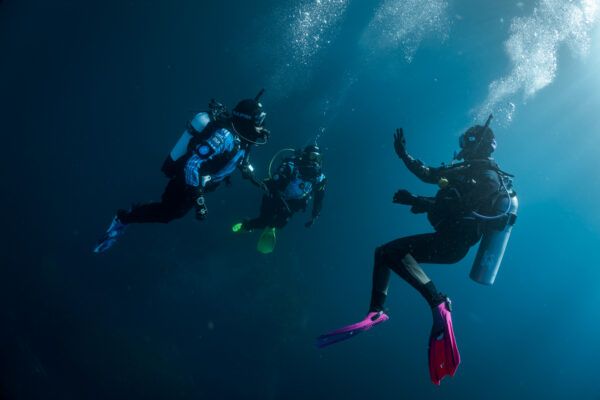
For many, a PADI Discover Scuba® Diving (DSD) experience is the moment scuba stops being a bucket-list idea and becomes something real – a first breath underwater they’ll remember and share for years to come.
For PADI Members, that makes Discover Scuba Diving much more than an introductory experience. Done well, it can be the start of a diver’s entire journey.
Make Discover Scuba Diving Easy to Find – and Easy to Say Yes To
Today’s customers might discover scuba while researching a holiday, scrolling through social media or hearing about it from friends and family.
For those not yet ready to commit to certification, DSD bridges the gap. If it’s clear that someone is unsure about an entry-level course, the DSD can save them money and provide credit towards that course if they do eventually commit.
Consider the customer journey from discovery to booking:
- Is your DSD easy to find online?
- Is it clear what’s included, how long it takes and what it costs?
- Can customers enquire or book quickly and easily?
- Do your images and descriptions make the experience feel exciting, welcoming and achievable?
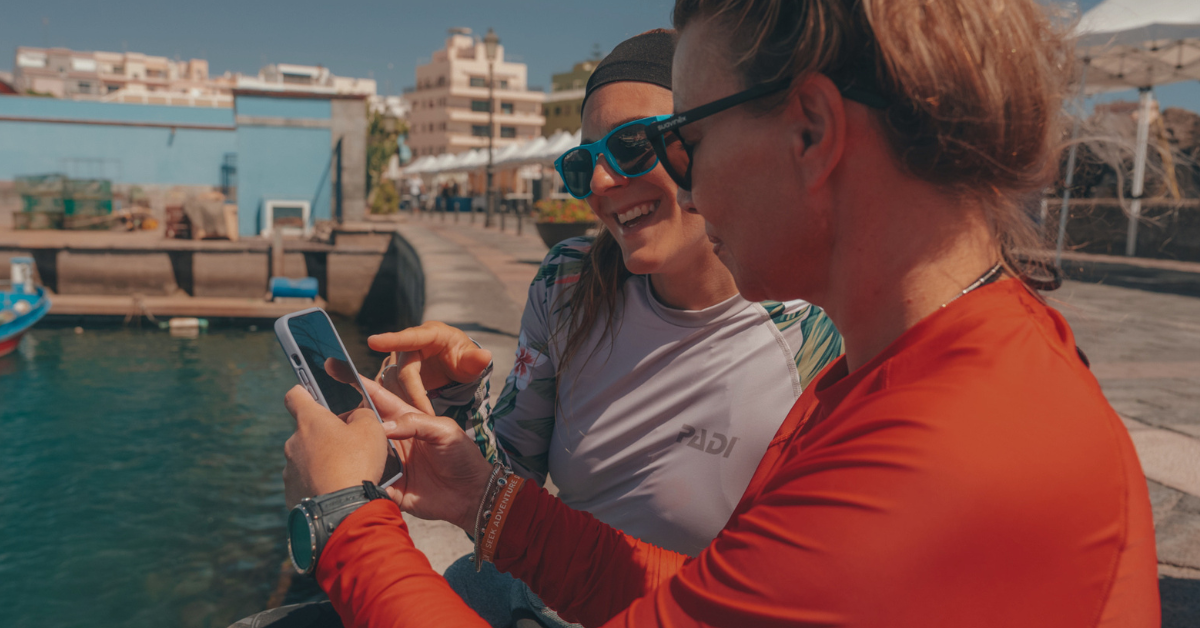
The PADI Courses Locator can boost that visibility by putting DSD experiences in front of travellers researching a destination.
Keep listings fresh, visually engaging and informative to help turn inspiration into bookings.
Streamline the Start
A strong DSD experience starts before the participant reaches the water.
DSD eLearning streamlines onboarding by allowing participants to complete knowledge development before arrival, leaving the PADI Professional to verify completion and conduct the required safety concept and skills review.
For participants using the DSD Participant Guide, the briefing provides the essential foundation, covering key safety concepts, equipment use and the value of further training.
Whichever route you use, the principle is the same: remove unnecessary delays, prepare participants well and maximize in-water time.
Make the First Experience Count
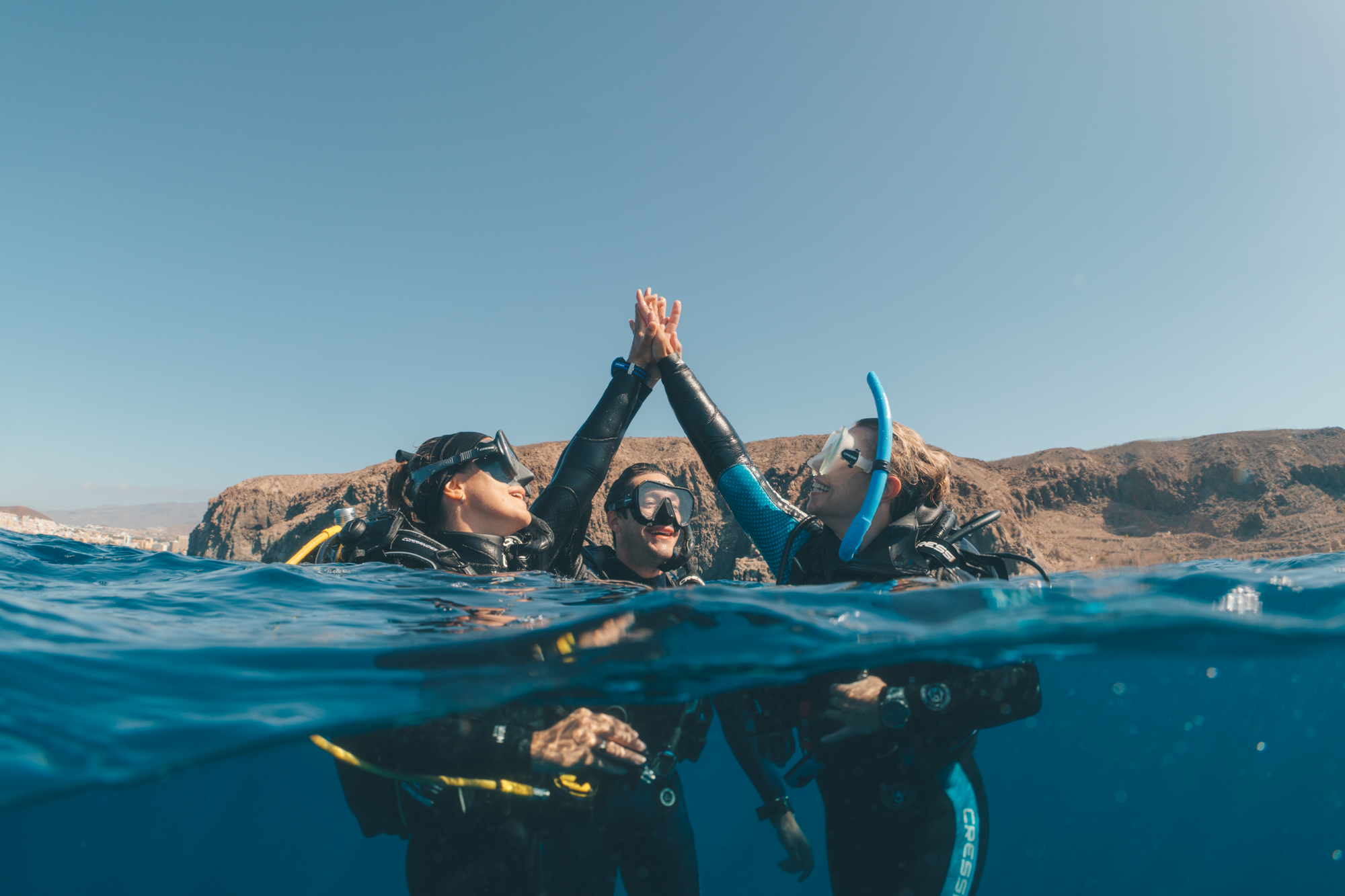
Ask a PADI Professional about their first breath underwater, and you’ll usually get a story, not a sentence.
For some, that first breath is effortless; for others, excitement comes with nerves.
That’s why the human side matters.
Comfortable, well-maintained equipment, a warm welcome, clear explanations and a Professional who notices when someone needs an extra minute can make the difference between simply completing a DSD and leaving eager to dive again.
PADI Standards set maximum ratios, but maximum is not always appropriate. Good risk management means considering conditions, site suitability, equipment, participant ability, available certified assistants and effective supervision when determining ratios and logistics.
Sometimes the best commercial decision is also the best instructional one: give people the time and attention they need for a genuinely positive experience.
Keep It Fun – Without Losing the Fundamentals
Current standards set the minimum age at 10, with maximum depths of six meters/20 feet in confined water and 12 meters/40 feet in open water.
In confined water, focus on building confidence through the required DSD skills. Where appropriate, consider integrating the performance requirements for Confined Water Dive 1. If participants complete Confined Water Dive 1, the Instructor can then brief and conduct Open Water Dive 1, creating a more purposeful progression and maximizing the opportunity to continue Open Water Diver training. Upon surfacing, the diver will be well on their way to becoming an Open Water Diver.
Keep the confined water session relaxed and participant-led. Explain why the skills matter and give participants time to practice.
In open water, keep the experience simple, closely supervised and enjoyable, choosing a suitable site and pace so participants can focus on comfort, confidence and safe exploration.
A DSD is not simply a checklist. The experience should build confidence to relax, look around and enjoy being underwater.
Who Can Conduct Discover Scuba Diving?
Who conducts the experience influences both what you can offer and the progression options afterwards.
- PADI Instructors: Can conduct DSD experiences in pools, confined water and open water. Must directly supervise the initial open water dive.
- Qualified DSD Leaders: Can independently conduct DSD experiences in a pool or confined water where participants are not continuing to the optional open water dive.
- Certified Assistants: May be used to increase the number of participants on the initial open water dive or supervise subsequent open water dives once the participant has completed the initial open water dive with an Instructor. Certified assistants can also be used to take photos or videos underwater, so long as the certified assistant isn’t needed to increase the instructor to participants ratio.
Plan staffing with progression in mind, and always refer to the latest PADI Instructor Manual for current ratios, supervision requirements, Professional-level permissions and program guidance.
Don’t Let the Experience End at the Surface
The experience of a DSD doesn’t have to end when the dive does.
Debrief properly: ask what participants enjoyed, celebrate what they achieved, log the dive and build excitement about what comes next.
If you have incorporated Open Water Diver course elements into the experience, the progression conversation becomes even more natural. You are not suddenly trying to “sell a course”; you are showing someone who has just discovered scuba diving how they can continue exploring underwater and become certified.
Explain the PADI Scuba Diver and PADI Open Water Diver options and what the next steps look like, whether participants continue with your business or another PADI Dive Center.
Remember the Administrative Details
The in-water element may be the most memorable part of a DSD, but good administration and best practice help create a professional, lasting impression.
Use the DSD Participant Management platform to streamline registration and build it into your standard post-dive workflow. Participants must be registered within seven days to meet PADI Standards.
From first enquiry through to registration and follow-up, simple, repeatable processes reduce missed steps, save staff time and create a smoother end-to-end experience – keeping the focus where it belongs: on the participant.
Think Beyond the First Dive
It’s easy to underestimate the potential reach of a DSD.
Today’s participant may become tomorrow’s Open Water Diver, Specialty student, dive traveller, equipment customer or even PADI Professional.
A memorable first dive creates advocates for the ocean. Participants share the experience with friends and family and start planning future dive trips – helping grow the wider diving community.
Make the program visible. Make it easy to book. Deliver it safely, professionally and with genuine enthusiasm. Then make the next step towards certification clear.
Because sometimes the most important dive in a person’s diving career is the one they take before they are even a diver.